
Photographing Street Art in Changing Urban Light
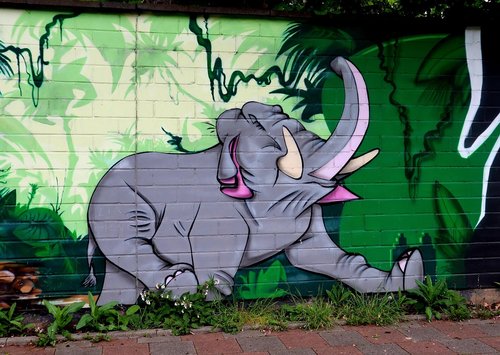
Street art is ephemeral, and so is the light that falls on it. A mural that glows at dawn can look flat and lifeless by noon. Photographing street art in changing urban light requires patience, the right settings, and respect for the artists and surrounding community. Whether you’re in a bustling UK city or a quiet back alley, the following practical guidance will help you capture bold contemporary art at its very best.
Reading the Light in Urban Canyons
Cities are not neutral. Buildings bounce light, cast deep shadows, and funnel wind that clears or clouds the air. Before you even lift your camera, spend a few minutes watching how light moves across the wall. North-facing surfaces tend to offer consistent, soft light – ideal for accurate colour and fine detail. South-facing walls, by contrast, bring strong contrast and dramatic shadows, but highlights can blow out quickly. Use your camera’s histogram to check for clipped whites, and dial in negative exposure compensation if needed.
Overcast days are a gift for street art photography: even, diffused light reveals every brushstroke. But colours can appear muted, so a grey card or custom white balance will save you time in editing. On sunny days, aim for early morning or late afternoon when the sun is low. That angled light rakes across textures and gives two-dimensional art a surprising sense of depth. If you must shoot at midday, look for walls in open shade or use a diffuser – never rely on flash, which flattens the work and annoys passers-by.
Timing Your Shoot: Weather, Time, and Traffic
UK weather shifts fast, and a sunny interval between showers can create brief magic. Check a sun-tracking app to know when light will hit a particular wall, but be ready to adapt. Golden hour – the first and last hour of daylight – is short but rewarding. Blue hour, just after sunset, mixes natural twilight with artificial street lighting, producing rich, moody tones. For night shots, expect mixed colour temperatures from LED, sodium, and fluorescent sources; a custom white balance or shooting in raw is essential.
Traffic and pedestrians are part of the urban fabric. Passing cars can throw fleeting reflections or light streaks; people add scale and life. But they can also block your view. Early weekday mornings are often quietest. Rain is your friend: wet pavements double the art with mirror-like reflections, though you’ll need to protect your gear and watch for slippery surfaces. If you want to blur moving figures deliberately, use a slower shutter speed and a tripod – just don’t block the pavement while you do it.
Camera Settings That Adapt to Changing Light
Start in aperture priority if light is shifting quickly, but manual mode gives you full control. For most street art, aim for a deep depth of field: f/8 to f/11. Keep ISO as low as conditions allow, but don’t be afraid to push to 800 or 1600 for handheld shots – a sharp, slightly noisy image beats a blurry one. A shutter speed of 1/125s or faster will freeze casual movement; slower speeds invite creative blur.
Use spot metering and lock exposure on a mid-tone area of the art. Exposure bracketing – three frames at -1, 0, and +1 EV – gives you options for merging later. A polarising filter cuts reflections from glass, wet surfaces, and glossy paint, while boosting saturation. If you’re on a tripod, switch off image stabilisation and use a remote release or self-timer. Finally, review your shots on the back screen, but trust the histogram more than the preview – ambient light can trick your eyes.
Composition: Working With Reflections and Shadows
Don’t just frame the art flat-on. Include context: a passer-by, a bicycle, a doorway, a patch of sky. Use leading lines from pavement cracks, railings, or kerbs to draw the eye. Shadows can add drama – embrace them rather than avoiding them. Reflections in puddles, windows, or polished metal create layered, almost abstract images. Look for juxtaposition: old brick against new paint, bold colours against grey concrete.
Vary your angle. A low viewpoint gives scale and presence; a high one reveals how the art sits in its environment. Zoom with your feet. Watch your own shadow – it’s easy to forget when you’re concentrating. Consider the background: a bright sky can distract, so underexpose slightly to keep colour rich. Use the rule of thirds when it helps, but break it when the art demands symmetry or centred impact. Keep your horizon level; a wonky frame undermines even the most striking mural.
Respecting Artists and the Local Community
Street art belongs to everyone, but it exists in shared spaces. Be mindful: don’t block pavements, doorways, or fire exits. If you’re on private property, ask permission first. Don’t climb on bins, walls, or sculptures. Avoid using flash when people are around – it can be startling, especially at night. If someone asks you to stop, stop immediately and politely. A friendly conversation often leads to a better shot and a story.
Credit the artist when you share images. Many sign their work or have social media handles – a simple mention goes a long way. Don’t remove or cover other tags, stickers, or paste-ups; they’re part of the layered conversation. If you see an artist at work, ask before photographing them. And always leave no trace: take your litter home, don’t trample planted areas, and respect residents’ privacy. Street art is often a voice for the community – treat it, and the people around it, with care. That patience and respect will show in every frame you take.
tag: Street Art

Daniel Okonkwo Author
Learn how to approach commercial galleries with your work, from preparing a portfolio to writing a concise and professional introductory email.
YOU MAY ALSO LIKE
How to Approach Commercial Galleries with Your Work
Aug 7
10Understand gallery contracts and commission rates before signing, including consignment terms, insurance, and what to negotiate for fair agreements.
read more
Understanding Gallery Contracts and Commission Rates
Aug 2
10Writing an artist statement that curators understand means being clear, specific, and reflective about your materials, ideas, and working process.
read morePainting
-

ERRIC CATONA
Starting an art collection on a modest budget involves focused looking, patient research, and buying works that genuinely resonate with you.
May 19, 2016 at 5.12 pm
Reply
ERRIC CATONA
Storing and insuring original art at home requires attention to light, humidity, framing, and accurate valuations for peace of mind.
May 19, 2016 at 5.12 pm
Reply -
ERRIC CATONA
Researching emerging artists before you buy helps you understand their practice, exhibition history, and long-term potential without relying on hype.
May 19, 2016 at 5.12 pm
Reply
Sculpture
Your email address will not be published.