
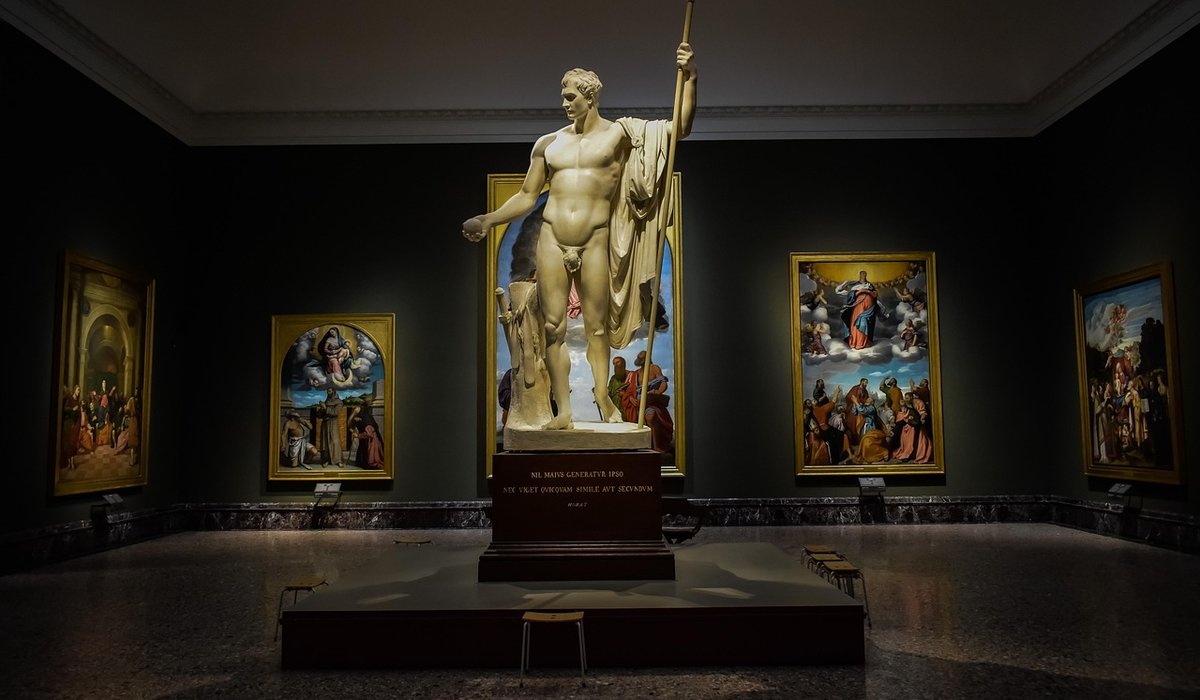
Using Wheatpaste for Temporary Street Art Installations
Why Wheatpaste Suits Bold Contemporary Art
Wheatpaste is the quiet workhorse behind some of the boldest temporary art on UK streets. It is cheap, forgiving, and made from ingredients you can buy in any supermarket. For artists who want to paste large-scale prints, cut-outs, or text-based work onto walls without committing to permanent paint, it offers a fast route from studio to street. The paste holds paper firmly to brick, concrete, wood, and even glass, yet it breaks down naturally over time. That impermanence is part of the appeal: a piece can live for weeks or months, then weather away or be removed with hot water and a scraper. The trade-off is that wheatpaste is not a magic adhesive. Surfaces must be prepared, edges need attention, and British weather will punish anything left unprotected. Treat the paste as one part of a system, not the whole answer.
Mixing a Reliable Paste
A dependable wheatpaste starts with plain white flour and cold water. A common ratio is one part flour to four parts water by volume, though humidity and paper weight will nudge that. Whisk the flour into a little cold water first to make a smooth slurry, then add the rest of the water. Cook gently in a saucepan, stirring constantly, until the mixture thickens and turns glossy. Do not let it boil hard or it will lump. For a smoother paste, push it through a sieve while warm. Let it cool completely before use.
- Preservative: a few drops of clove oil or a teaspoon of vinegar can slow mould in damp UK conditions.
- Consistency: aim for double cream. Thick paste for porous brick, thinner for smooth paper.
- Storage: keep in a sealed container in the fridge for up to a week. Bring to room temperature before pasting.
- Test first: always paste a small scrap on an inconspicuous area to check adhesion and staining.
Choosing and Preparing Surfaces
Wheatpaste grips best on clean, slightly porous surfaces. Brick, sandstone, and unpainted concrete are ideal. Glossy paint, metal, and glass need more care: wipe them down with a damp cloth to remove dust and grease, then roughen the surface lightly with sandpaper if you can do so without damage. Avoid surfaces that are flaking, damp, or freshly painted. In the UK, rain and frost are constant concerns, so choose a wall that drains well and faces away from prevailing wind where possible.
Dampen the wall with a garden sprayer before applying paste. This stops the paste drying out too quickly and helps it bond. If you are working on a listed building or private property, get permission first. Temporary does not mean consequence-free, and a quick conversation can save a lot of trouble later.
Layering and Applying the Artwork
Use paper that is thick enough to survive handling but thin enough to conform to texture. Newsprint, brown kraft paper, and 120–200gsm cartridge paper all work well. Soak the paper briefly in water if it is stiff, then lay it flat. Brush a generous coat of paste onto the wall, press the paper into place, and smooth it from the centre outwards with a squeegee or a soft brush. Work out air bubbles as you go; trapped air becomes a tear after the first rain.
For multi-layered pieces, paste each sheet individually and overlap edges by at least two centimetres. Coat the front of the paper with a thin layer of paste as well. This seals the surface and helps the artwork resist light rain. If you are adding text or fine detail, let each layer tack up for a minute before adding the next. Bold contemporary work often relies on sharp edges, so take your time with alignment.
Weatherproofing Temporary Installations
Wheatpaste alone is water-soluble, so weather protection is essential if you want the piece to last more than a few days. A clear acrylic medium or exterior-grade PVA diluted with water can be brushed over the finished work once the paste is dry. This creates a flexible film that sheds rain and slows UV fading. Apply two thin coats rather than one thick one, and pay special attention to edges, corners, and any seams.
- Seal the edges: lift each corner slightly and brush sealant underneath, then press back down.
- Check the forecast: avoid installing before heavy rain or a hard frost. Paste needs a dry window of at least six hours.
- Consider a sacrificial layer: a thin sheet of clear acetate over the top can be removed if the surface gets grimy.
- Re-paste as needed: inspect weekly and touch up lifting edges with fresh paste and sealant.
Remember that no coating makes wheatpaste permanent. The goal is controlled decay, not immortality. A piece that lasts three months in a Sheffield winter is doing well.
Removal, Touch-Ups and Leaving No Trace
When the work has run its course, removal is straightforward. Spray the paper with warm soapy water, wait ten minutes, and scrape gently with a plastic scraper. Repeat until the wall is clean. Stubborn residue can be tackled with a little white vinegar. On porous brick, some staining may remain, so always test in a hidden spot first. If you have permission, patch any damage and take your rubbish with you.
Wheatpaste rewards preparation. Mix a reliable batch, choose your surface with care, seal against the weather, and check your work often. Done well, it lets bold contemporary art appear overnight and disappear gracefully, leaving the street exactly as it was found.
tag: Street Art

Priya Nair Author
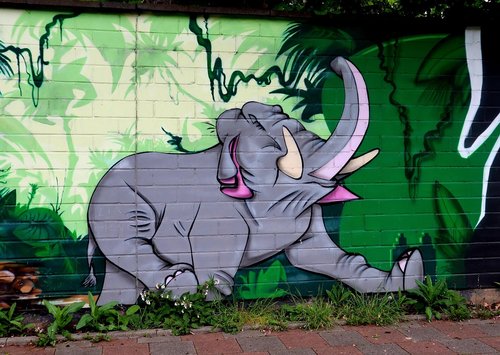
Photographing street art in changing urban light requires patience, the right settings, and respect for the artists and surrounding community.
YOU MAY ALSO LIKE
Photographing Street Art in Changing Urban Light
Aug 10
10Learn how to approach commercial galleries with your work, from preparing a portfolio to writing a concise and professional introductory email.
read more
How to Approach Commercial Galleries with Your Work
Aug 7
10Understand gallery contracts and commission rates before signing, including consignment terms, insurance, and what to negotiate for fair agreements.
read morePainting
-

ERRIC CATONA
Writing an artist statement that curators understand means being clear, specific, and reflective about your materials, ideas, and working process.
May 19, 2016 at 5.12 pm
Reply
ERRIC CATONA
Starting an art collection on a modest budget involves focused looking, patient research, and buying works that genuinely resonate with you.
May 19, 2016 at 5.12 pm
Reply -
ERRIC CATONA
Storing and insuring original art at home requires attention to light, humidity, framing, and accurate valuations for peace of mind.
May 19, 2016 at 5.12 pm
Reply
Sculpture
Your email address will not be published.